
5 Best Yoga Philosophy Books (Essential Texts for a Deeper Practice)
Yoga philosophy books offer the keys to understanding yoga as a complete system of living, far beyond the physical postures. They explore the ethical foundations, spiritual teachings, and the nature of the mind, providing a roadmap for inner peace and self-realization. The right book serves as a compassionate guide, translating ancient wisdom into practical insights for modern life.
The most influential texts, like the Yoga Sutras of Patanjali, are universally acknowledged as the fundamental source on yoga and meditation. This classic has been kept alive for thousands of years through a living lineage of teachers who have passed down its profound wisdom.
For those seeking a practical approach, books that focus on ethical living like the Yamas and Niyamas offer a framework for integrity, compassion, and self-discipline both on and off the mat. These five books are selected to help you move beyond postures and into conscious living.
5 Best Yoga Philosophy Books
| Image | Title | Best For | Link |
|---|---|---|---|
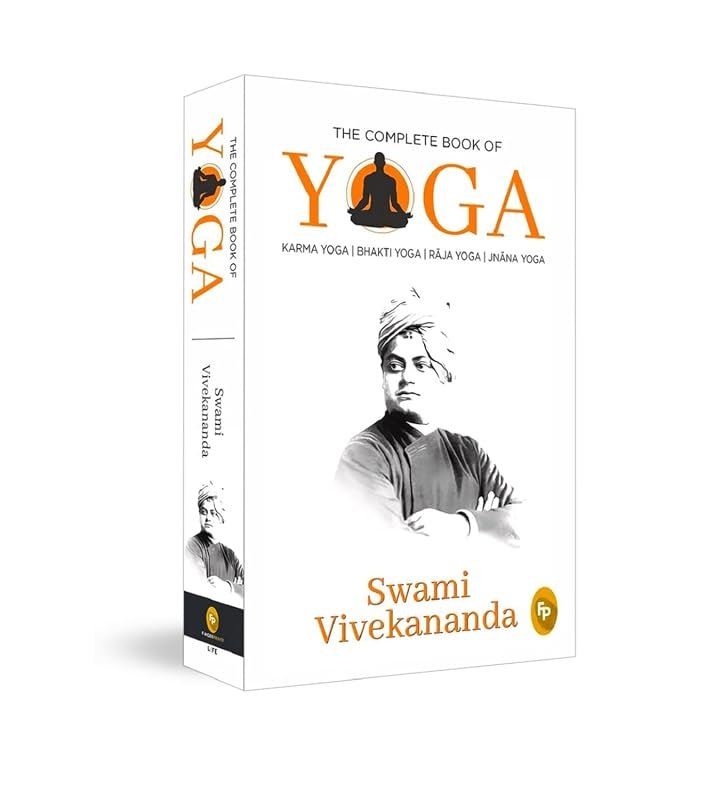 |
Complete Book of Yoga | Comprehensive overview of four main yoga traditions. | View on Amazon |
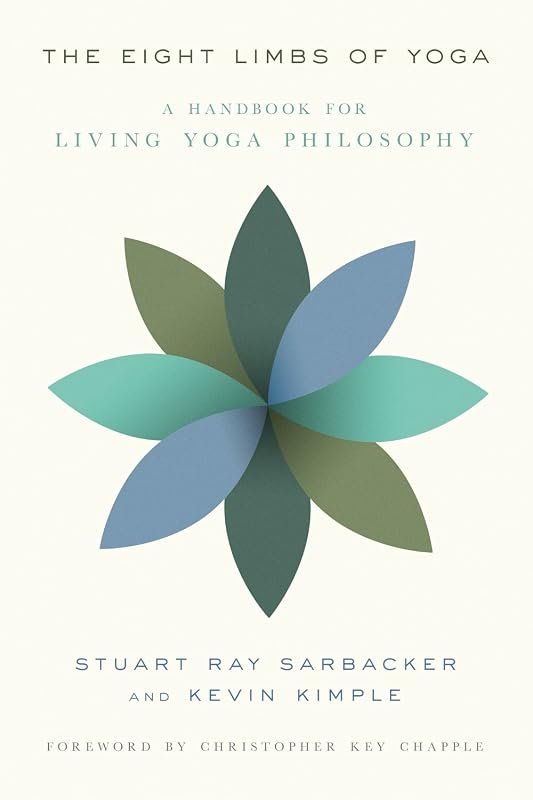 |
The Eight Limbs of Yoga | Deep dive into Patanjali’s foundational system. | View on Amazon |
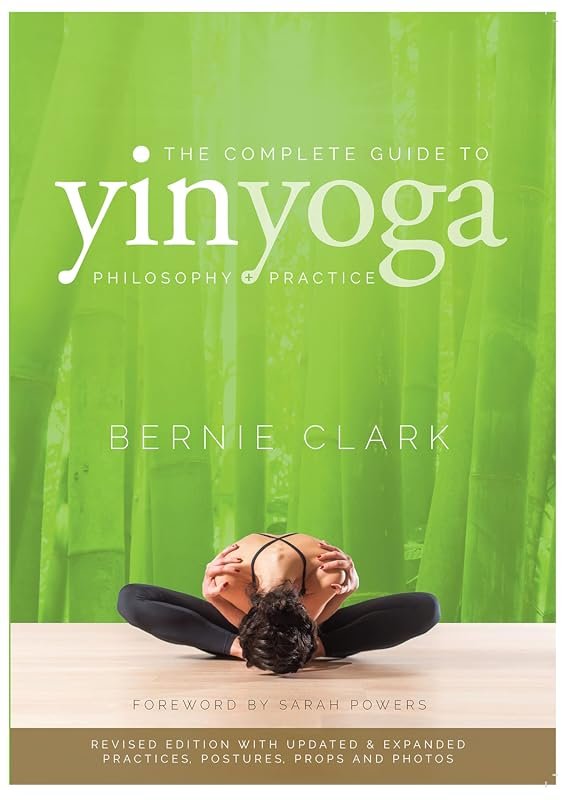 |
The Complete Guide to Yin Yoga | Blending quiet philosophy with physical stillness. | View on Amazon |
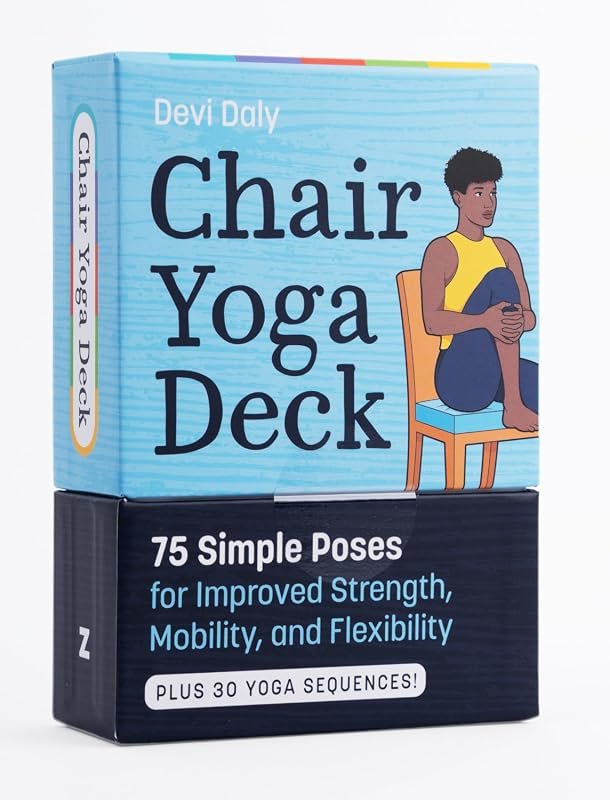 |
Chair Yoga Deck | Practical, accessible movement for all levels. | View on Amazon |
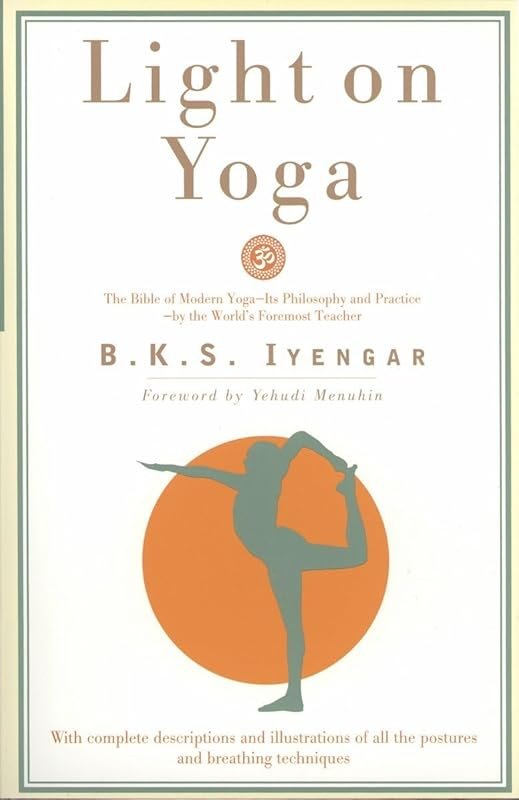 |
Light on Yoga | The definitive guide for serious practitioners. | View on Amazon |
Our Top 5 Best Yoga Philosophy Books Reviews – Expert Tested & Recommended
1. Complete Book of Yoga
The Complete Book of Yoga serves as a masterclass for anyone wanting to grasp the four primary branches of yoga. It breaks down complex traditions like Karma and Bhakti into digestible segments that honor the depth of the subject matter.
Key Features That Stand Out
- ✓ Clear explanations of Karma, Bhakti, Raja, and Jnana traditions.
- ✓ Perfect for building a strong theoretical foundation.
- ✓ Highly durable and reliable as a reference guide.
Why We Recommend It
This book is essential because it bridges the gap between ancient history and modern understanding. It provides the clarity needed to appreciate the mental and spiritual work behind physical practice.
Best For
Students looking for a comprehensive overview of yoga traditions to enhance their personal philosophy.
Pros and Cons at a Glance
2. The Eight Limbs of Yoga
If you want to understand the foundational structure of classical practice, The Eight Limbs of Yoga is your go-to guide. It explains how to incorporate ethics and mindfulness into every single day.
Key Features That Stand Out
- ✓ Breaks down the Eight Limbs of Patanjali simply.
- ✓ Practical advice for living a balanced life.
- ✓ Highly recommended by yoga teachers worldwide.
Why We Recommend It
It cuts through the confusion surrounding the Yoga Sutras. It turns abstract concepts into actionable steps that anyone can follow for a more meaningful life.
Best For
Those who want to live their yoga off the mat using the Eight Limbs system.
Pros and Cons at a Glance
3. The Complete Guide to Yin Yoga
If you prefer a slower, deeper approach to your practice, this book on Yin Yoga is essential. It blends the philosophical need for stillness with the physical need for flexibility.
Key Features That Stand Out
- ✓ Explores the meditative side of body relaxation.
- ✓ Great for learning how to slow down the mind.
- ✓ Very affordable, high-value resource.
Why We Recommend It
It is perfect for those who find the world too fast-paced. It provides both the “how-to” of the poses and the “why” of the philosophy behind them.
Best For
Practitioners focusing on relaxation, deep tissue health, and quiet meditation.
Pros and Cons at a Glance
4. Chair Yoga Deck
Yoga is for everyone, and the Chair Yoga Deck makes the practice accessible to all ages and mobility levels. It encourages a daily routine that supports strength without needing a traditional mat.
Key Features That Stand Out
- ✓ 75 poses designed for improved mobility.
- ✓ Compact and easy to keep on your desk.
- ✓ Focuses on functional strength and comfort.
Why We Recommend It
It breaks the barrier that yoga is only for the flexible. It promotes consistent practice, which is the heart of yogic philosophy: steady effort over time.
Best For
Beginners, seniors, or office workers needing daily movement and strength.
Pros and Cons at a Glance
5. Light on Yoga
Often referred to as the “bible” of modern yoga, B.K.S. Iyengar’s Light on Yoga is essential for any serious student. It combines rigorous physical discipline with deep philosophical insights.
Key Features That Stand Out
- ✓ Definitive guide by a legendary yoga master.
- ✓ Extensive detail on postures and breath control.
- ✓ A must-have in every yogi’s home library.
Why We Recommend It
It provides a bridge between the physical and the spiritual. It is rigorous, honest, and incredibly rewarding for anyone willing to put in the time to study it.
Best For
Serious beginners and advanced students looking for the gold standard.
Pros and Cons at a Glance
Complete Buying Guide for Best Yoga Philosophy Books
Essential Factors We Consider
When choosing the right yoga book, consider your current level of experience and your specific goals. Are you looking to understand the history of yoga philosophy, or do you want to learn how to apply those principles to your daily life? Look for books that offer clear, accessible language, as dense academic texts may feel overwhelming if you are just starting your journey.
Budget Planning
Investing in your knowledge is the best way to improve your practice. Fortunately, many foundational books are quite affordable. Start with a classic text that offers broad appeal before moving into specialized, more expensive volumes. Remember, a single high-quality book that you read and re-read is often better than ten books you only skim.
Final Thoughts
The journey of yoga is lifelong. Choosing the right philosophy books is the first step in ensuring that your practice remains grounded in tradition, ethics, and wisdom. Find a book that resonates with your personal needs and commit to reading a few pages each day.
Frequently Asked Questions
Q: Do I need to be an expert to read these yoga philosophy books?
A: Not at all! While some texts are advanced, many of the options listed are perfect for beginners who want to explore the spiritual roots of their practice.
Q: How can reading philosophy change my physical yoga practice?
A: Understanding the “why” behind the poses helps you bring more intention and mindfulness to your mat, making your physical practice more rewarding and sustainable.
Q: How often should I read these books?
A: Even reading just ten minutes a day can transform how you perceive your practice. Treat it like a small ritual to accompany your physical movement.